
Speeding motorcycle accidents in Los Angeles can change lives in seconds. A rider may feel in control at first. Then traffic slows, a driver turns, or a car changes lanes. At higher speeds, the rider has less time to react. The crash also causes more force, more damage, and more serious injuries.
Speeding does not only mean riding far above the limit. It can also mean riding too fast for traffic, rain, road debris, lane splitting conditions, poor lighting, or heavy congestion. In Los Angeles, that matters. Riders deal with freeways, canyon roads, downtown streets, beach traffic, construction zones, and distracted drivers every day.
California officials continue to focus on speed because it plays a major role in serious and fatal crashes. The California Highway Patrol recently announced a 24-hour enforcement effort focused on drivers who exceed posted speed limits or travel too fast for road conditions. For motorcyclists, this trend matters because speed can affect fault, insurance coverage, injury value, and settlement negotiations.
This guide explains why speeding motorcycle accidents create serious legal issues, how fault works, what evidence matters, and what injured riders should do after a crash in Los Angeles.
Why Speeding Motorcycle Accidents Are So Dangerous
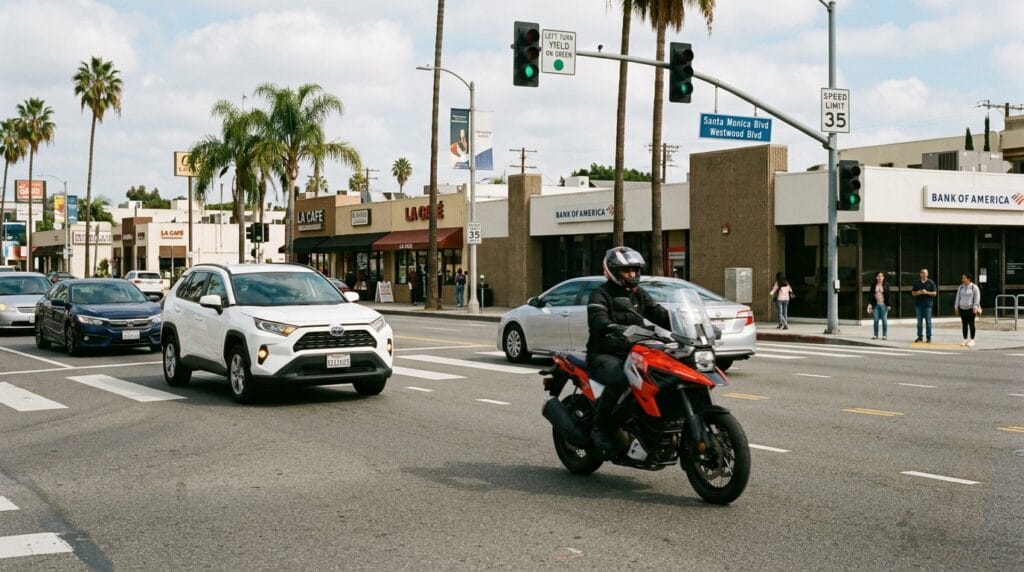
Motorcycles offer little physical protection. A car has a frame, airbags, seat belts, and impact zones. A motorcycle rider has a helmet, riding gear, skill, and space. When speed increases, those protections may not be enough.
Higher speed increases stopping distance. It also reduces the time a rider has to avoid a hazard. A driver may open a door. A car may drift into a lane. A truck may drop debris. A rider moving too fast may not have enough room to brake, swerve, or escape.
Speed also affects how insurance companies review a claim. Even when a driver caused the crash, the insurer may blame the rider for traveling too fast. This can reduce compensation if the evidence supports that argument. That is why speed evidence matters so much in motorcycle crash cases.
Speed Can Change the Injury and the Claim
Speeding motorcycle accidents often cause severe injuries. Riders may suffer broken bones, road rash, spinal injuries, traumatic brain injuries, internal bleeding, shoulder injuries, knee damage, or permanent nerve pain. These injuries can lead to surgery, missed work, long therapy, and lasting limits.
A serious injury claim does not only look at the hospital bill. It may also include future medical care, lost income, reduced earning ability, pain, emotional distress, and loss of daily function. If the rider can no longer work, ride, exercise, or care for family in the same way, those losses matter.
Insurance companies know high-speed crashes can lead to large claims. They may look for ways to lower the value. They may argue that the rider caused the crash, made the injuries worse, or ignored traffic conditions. Strong evidence can push back against those claims.
Unsafe Speed Is Not Always the Same as Breaking the Limit
A rider can follow the posted speed limit and still ride too fast for the conditions. Heavy traffic, wet roads, poor visibility, construction, potholes, and sharp curves can make a legal speed unsafe. California crash investigations often look at speed in relation to conditions, not just the number on a sign.
This matters in Los Angeles because traffic can change quickly. A freeway may move at 60 mph, then stop suddenly. A rider may enter a curve too fast on a hillside road. A driver may turn left across traffic near an intersection. In each case, investigators may ask whether the rider had enough time to react safely.
Drivers Can Still Be Liable Even If Speed Is Disputed
A speeding allegation does not automatically defeat a motorcycle accident claim. A driver may still carry most of the fault. For example, a driver may turn left without yielding. Another driver may change lanes without checking blind spots. A rideshare driver may stop suddenly in a traffic lane.
California uses comparative fault. This means more than one person can share responsibility. If a rider carries some fault, the rider may still recover compensation. However, the final amount may decrease based on the rider’s percentage of fault. Because of this, crash evidence becomes critical.
Common Speed-Related Motorcycle Crashes in Los Angeles
Los Angeles creates many risks for riders. Freeways move fast. Surface streets stay crowded. Drivers rush through yellow lights. Delivery vehicles block lanes. Tourists make sudden turns. These conditions can turn small mistakes into serious crashes.
One common crash happens when a driver turns left in front of a motorcycle. The driver may misjudge the rider’s speed or fail to see the motorcycle. At higher speeds, the rider has less time to brake. The impact often causes severe injuries.
Another common crash happens during lane changes. A driver may glance once and miss the rider. If the rider moves fast through traffic, the driver may not expect the motorcycle to reach the vehicle so quickly. The insurer may then argue about visibility, speed, and lane position.
Freeways, Intersections, and Lane Splitting
Freeway crashes often involve sudden stops, lane changes, rear-end impacts, or debris. A motorcycle rider has less margin for error at high speed. Even a small object on the road can cause loss of control.
Intersections create another major danger. Drivers may turn left, roll through red lights, or rush to beat traffic. A rider may enter the intersection with the right of way, but speed can still become part of the investigation. Witnesses, traffic cameras, and vehicle damage can help show what really happened.
Lane splitting can also raise disputes. California allows lane splitting, but riders must still act carefully. If a crash happens, insurers may review traffic speed, motorcycle speed, lane position, spacing, and visibility. A safe lane split looks very different from aggressive riding through tight traffic.
Road Design and Poor Maintenance Can Add Risk
Speed does not always tell the whole story. Road design and maintenance can also contribute to a crash. Potholes, loose gravel, uneven pavement, faded lane markings, poor lighting, and unsafe construction zones can make a motorcycle harder to control.
If road conditions played a role, the injured rider should document the scene quickly. Take photos of the pavement, traffic signs, construction equipment, debris, lighting, and nearby hazards. Public entity claims can have short deadlines, so riders should act fast when a city, county, or state road issue may be involved.
What To Do After a Speed-Related Motorcycle Crash
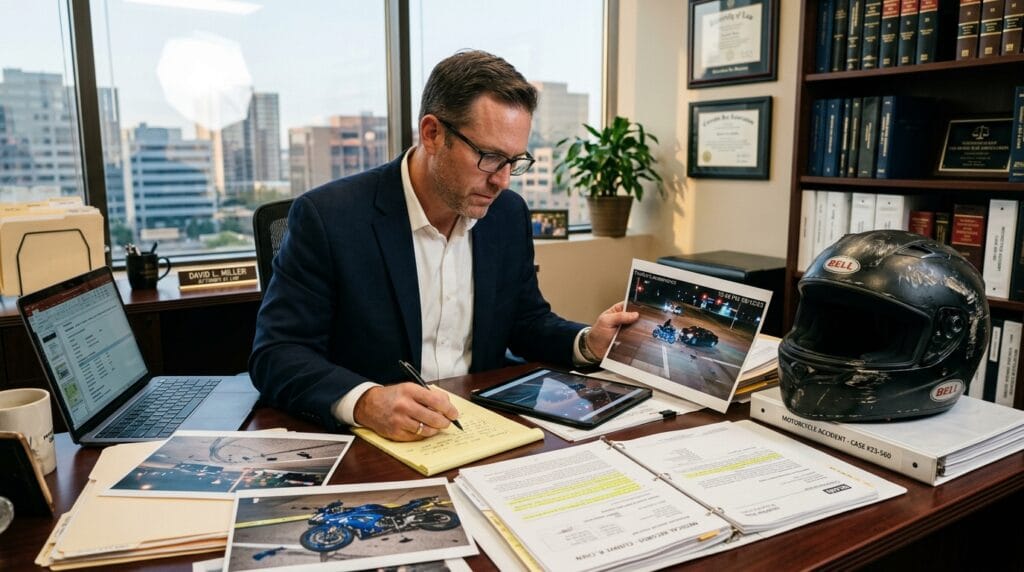
After speeding motorcycle accidents, riders should focus on health, evidence, and legal protection. Call 911 if anyone feels pain or cannot move safely. Ask for medical help right away. Adrenaline can hide serious injuries during the first few minutes.
Get medical care even if you think the injury is minor. Neck pain, back pain, concussion symptoms, internal injuries, and soft tissue damage may worsen later. Medical records also help connect your injuries to the crash.
Report the crash to police. Give clear facts, but do not guess about speed. Do not admit fault at the scene. You may not know what the other driver did, what cameras captured, or what witnesses saw. A simple statement can create problems later.
Evidence That Can Help Prove Fault
Strong evidence can protect your claim. Take photos of the vehicles, motorcycle damage, road markings, skid marks, traffic signals, signs, weather, lighting, and injuries. If you can, record short videos of the scene before vehicles move.
Look for cameras nearby. Businesses, apartments, buses, rideshare vehicles, traffic cameras, and dashcams may capture the crash. This footage may disappear quickly. A lawyer can request preservation before someone deletes it.
Witness statements also matter. Ask for names and phone numbers. A neutral witness can explain whether a driver turned suddenly, changed lanes, ran a red light, or followed too closely. That testimony can help when an insurance company tries to blame the rider.
Motorcycle data may also help. Some riders use helmet cameras, GPS apps, phone data, or aftermarket devices. These records can show route, speed range, braking, or impact timing. However, riders should avoid posting crash details online. Insurers may review social media and use posts against the claim.
The National Highway Traffic Safety Administration provides motorcycle safety guidance and helmet information for riders. Safety gear cannot prevent every crash, but it can reduce the risk of fatal head injuries.
If you were hurt in a motorcycle crash, read our guide on finding a top motorcycle accident lawyer in Los Angeles. You can also review our motorcycle accident settlement articles for more information about compensation and claim value.
Final takeaway: Speeding motorcycle accidents in Los Angeles can involve serious injuries, disputed fault, insurance pressure, and complex evidence. Do not assume the insurance company will treat your claim fairly. Get medical care, document the scene, protect video evidence, and understand your legal options before giving detailed statements.